


Service Cluster of Divisional Secretariat
Civil Registrations
Issuance of Permits
Issuing of Certificates
Payment of Pensions
Land Administration
Social Welfare and Benefits
Procurements
Development Program
Find the services we provide...
Please check the relevant category, according to requirement. If you unable to find the information you searched, Please contact us.
Contact UsNews & Events
2026 වර්ෂයේ තංගල්ල කොට්ඨාශයේ පවත්වන ලද සාහිත්ය උත්සවය
2026 වර්ෂයේ තංගල්ල කොට්ඨාශයේ පවත්වන ලද සාහිත්ය...
2025 අළුත් අවුරුදු හිසතෙල් ගෑමේ සංස්කෘතික උත්සවය
2025 අළුත් අවුරුදු හිසතෙල් ගෑමේ සංස්කෘතික උත්සවය
Government Service Centers


Home
History
History
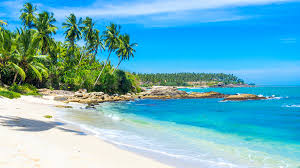
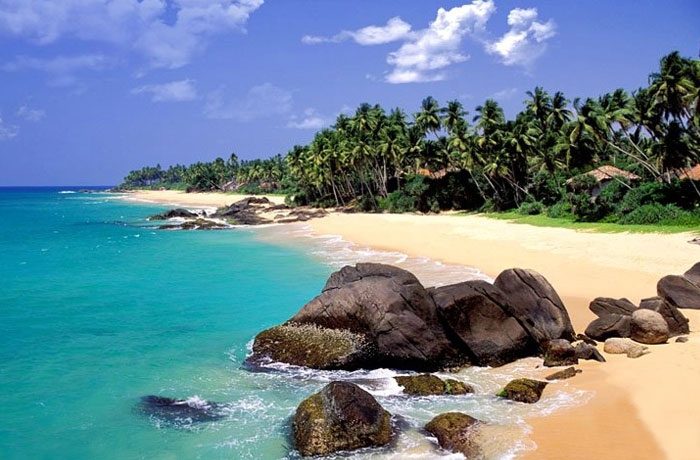
The Tangalle Divisional Secretariat which is bounded by a scenic coastal belt consisting of a white sand beach and reefs from the reefs, also has a fertile blue field in Kirama Oya. It is the largest Divisional Secretariat Division in the Hambantota District, which consists of 72 Grama Niladhari Divisions located in the southern Giruwaya Pattuwa, which is a long history.
Even the sailors who crossed the sailboat by the time of a natural harbor were a very long history indicating that Tangalle was a very important hub. It is rich in numerous legends.
Thapassu Bhalluka, who had arrived in India for bargaining, had lodged with the Tangalle Harbor for lodging and had not recovered from the place where the gold cord had been buried where he could earn money for the sacred hair relics which were buried in a golden casket. According to the folklore, the stone columns were divided into chaityas and returned to them.
A golden casket and a stone have been added to cover it with golden casket and then the collection has been assembled. Then, later, the word "Tangalla" has been used for the convenience of Janaweriya and the "Tangalla" Ancient thoughts.
The area that was brought up by the Vihara was used by the Kirikadasa or Giriwaya or the Giriwaya, while the Rohana, the prince, was in charge of the village method, and it was widely reported that the country's main administrative center was Tangalle.The Thapassu Bhalluka salesmen and the majority believed that there were many evidence that the Tangalle Maha Vihara was situated in the place where the casket was kept with the sacred hair relics. It was destroyed by the Dutch's capture. The area is today named as Kotuwegoda and Kotugodella, a Grama Niladhari Division. Today, the common people admit that the Bodhi Tree, which is in the vicinity of the Tangalle port, was made from a sapling that comes from this temple. The Tree of the Fifteen Fruits - Sri Maha Bodhi which is said to have been planted by the King of the second monk at the Tangalle Viharaya - is blessed not only for the Tangalle Divisional Secretariat but also for the people of Ruhuna. The writer has written in the history as a great king who left the tongue of ancient Tangalle. Residents believe that the Chaitya Raja of the Wewa Maha Viharaya in Tangalle is his job and that his palace was located in a famous place called Maligathhena in the Pallikudawa area in Tangalle. The Yellow Bird Sandesa and the Kala Sandesa of the Neela Kebo Sandeshaya were written by the king and it is said that he had a palace in Sathamaluwa. Earlier it was said that there are treasure hidden behind the Nayyalawila reservoir at Nalagama West Grama Niladhari Division in the Tangalle Divisional Secretariat Division. It was also said that the dancers had brought the king to the king and acted accordingly. They are still left in the coastal area of Tangalle Divisional Secretariat due to the foreign invasions of the Portuguese, Dutch and English. Since the early days, Muslims have come to trade with Sri Lanka in the Tangalle Divisional Secretariat and Kotuwegoda and Pallikudawa and have been residing in the Grama Niladhari Divisions. The past also shows that these people lived with the beliefs of Buddhism, Christianity and Muslims. Moreover, the naturally occurring Hummanya, which is now a rare and rare sight, is also attracting foreigners.
Overview
"VIEW"
OPENING ROADS FOR A COMFORTABLE LIFE
"MISSION STATEMENT"
Our mission is to uplift the lives of the people in Tangalle. To coordinate resources, provide a service in accordance with the policies of current government, and participate in the participation with participation in an efficient, sustainable and planned development.
INTRODUCTION
Tangalle (Sinhala තංගල්ල [ˈtaŋɡalːə], Tamil: தங்கல்லை) (also known as Tangalla) is a large town in Hambantota District, Southern Province, Sri Lanka, governed by an Urban Council. It is one of the largest towns in southern province. It is located 195 km (121 mi) south of Colombo and 35 km (22 mi) east of Matara. It has a mild climate, in comparison to the rest of the district, and sandy beaches.Tangalle is a large town in Hambantota District, Southern Province, Sri Lanka, governed by an Urban Council. It is one of the largest towns in southern province. It is located 195 km (121 mi) south of Colombo and 35 km (22 mi) east of Matara. It has a mild climate, in comparison to the rest of the district, and sandy beaches.
Tangalle is a regionally important fishing port, situated on one of the largest bays in Sri Lanka, which is protected from the ocean by an enclosing reef. It is a centre of tourism and a popular holiday destination on the south coast. In the town centre there is an old Dutch fort which is used as a prison today. The Dutch and subsequently the British used Tangalle as an important anchorage on the southern coast of the island. The Dutch Fort, Rest House and Court House are a few remaining examples of Dutch architecture in Tangalle.


Other Divisional Secretariat Divisions
Main Menu
Reach Us
Colombo Divisional Secretariat
Colmbo,
Sri Lanka.
+94 332 222 235
info[at]colombo.ds.gov.lk